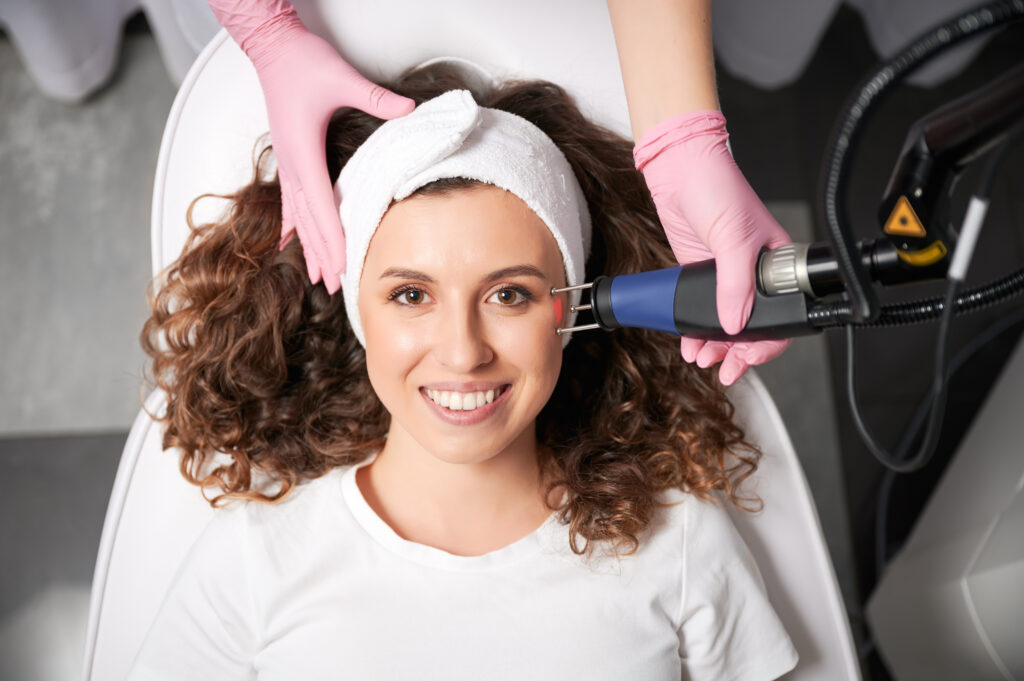
The CO2 fractional laser is one of the gold standards for skin resurfacing. It offers dramatic anti-aging results, effectively treating deep wrinkles, sun damage, scars, and uneven texture by stimulating massive collagen production. For adult women seeking significant facial rejuvenation, this powerful treatment often comes up—but so does the crucial question of safety, particularly concerning different skin tones. The simple answer is that while the CO2 fractional laser is highly effective, it requires careful consideration and customization based on your specific Fitzpatrick skin type.
Understanding How CO2 Fractional Laser Works on Different Skin Tones
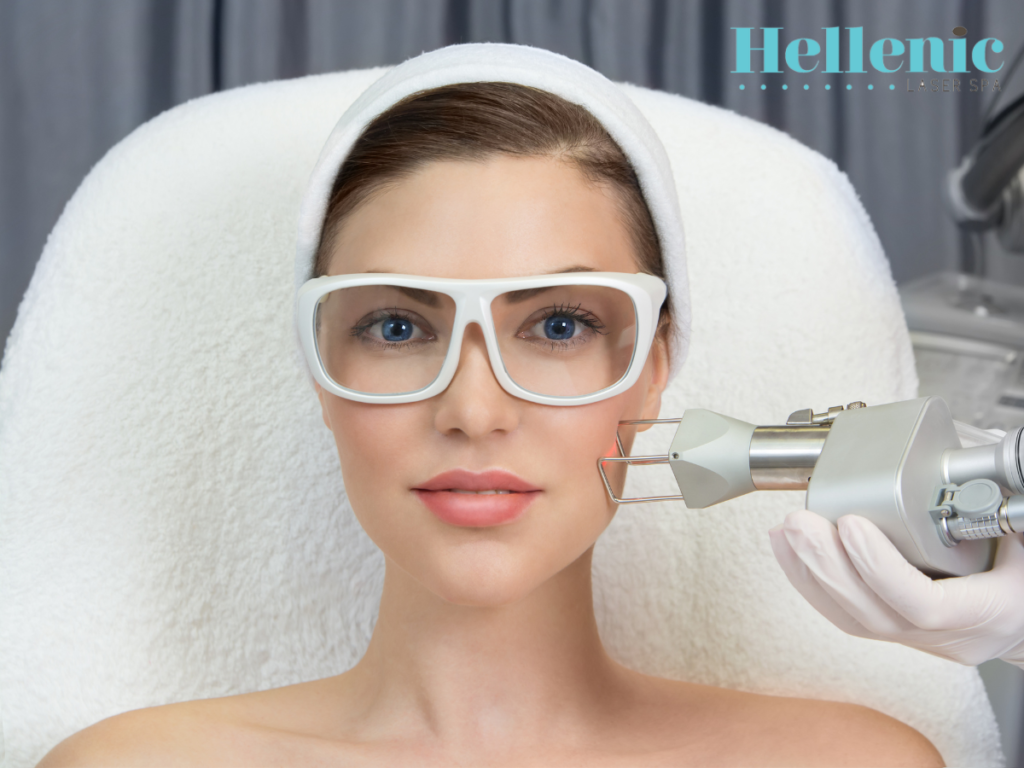
The challenge with traditional ablative lasers lies in how they interact with melanin, the pigment responsible for skin color.
The CO2 fractional laser works by delivering microscopic columns of laser energy deep into the skin, creating controlled injury while leaving surrounding tissue intact. This fractional approach promotes rapid healing. However, the heat generated by the laser can stimulate the pigment-producing cells (melanocytes).
- Lighter Skin Types (Fitzpatrick I-III): These individuals have a low concentration of melanin, making them generally ideal candidates. The risk of pigment change (Post-Inflammatory Hyperpigmentation or PIH) is low, and they typically heal quickly, achieving excellent resurfacing results.
- Darker Skin Types (Fitzpatrick IV-VI): Individuals with medium to high levels of melanin face a higher risk. The heat from the laser can trigger those hyperactive melanocytes, leading to significant and prolonged PIH (dark spots). In these cases, the cosmetic benefit may be overshadowed by the resulting pigment issues, making the procedure less safe without extreme precaution.
Safety Precautions and Alternatives for Sensitive or Darker Skin
A responsible aesthetic practice will never treat darker skin tones with a high-intensity CO2 fractional laser without a strict protocol.
- Pre- and Post-Treatment Care: For Fitzpatrick types IV and above, a successful treatment relies on meticulous preparation. This involves using hydroquinone or other pigment-suppressing agents for several weeks before the procedure to quiet the melanocytes. Aggressive sun protection is also critical both before and for months after treatment. The CO2 fractional laser settings must also be much lighter, often requiring more sessions to achieve the same result, but with reduced risk.
- Safer Alternatives: When the risk is too high, especially for Fitzpatrick types V and VI, physicians often recommend non-ablative or gentler options. These include:
- Pico Lasers: Excellent for textural issues and pigment without generating as much heat.
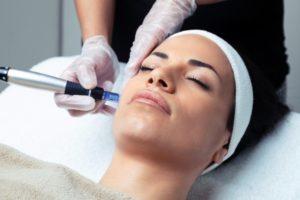
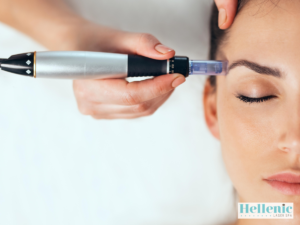
- Microneedling with Radiofrequency (RF): Delivers energy deep into the skin without damaging the surface epidermis, minimizing the risk of PIH while still stimulating collagen.
- Specific Chemical Peels: Gentler chemical solutions can achieve improvement over several sessions with less risk.
The CO2 fractional laser is a powerful tool, but its application must be tailored to your unique skin biology by an experienced provider to ensure both safety and effectiveness. Consult with Hellenic Laser Spa today for a personalized consultation.