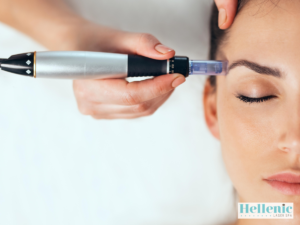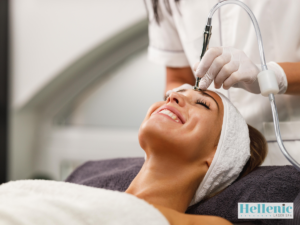

The pursuit of smoother, younger-looking skin often leads to exploring advanced aesthetic technologies. Among the most powerful and transformative tools available is the CO2 fractional laser. This procedure delivers dramatic resurfacing results by stimulating intense collagen production and shedding damaged skin cells. Because of its potency, not everyone is an ideal candidate. Understanding the criteria for candidacy is the first crucial step toward achieving the stunning, long-lasting results this treatment offers.
What Skin Types and Conditions Benefit Most From CO2 Fractional Laser Treatments

The CO2 fractional laser is best known for its ability to treat moderate to severe signs of aging and damage.
- Ideal Skin Conditions: The treatment excels at addressing significant textural issues, including:
- Deep wrinkles and fine lines, particularly around the eyes (periorbital) and mouth (perioral).
- Moderate to severe sun damage (photoaging) and discoloration.
- Scars, especially acne scars and surgical scars.
- Uneven skin texture and large pores.
- Fitzpatrick Scale Consideration: Generally, the best candidates are those with fair to medium skin tones (Fitzpatrick Types I–III). Because the laser targets water in the skin and generates heat, there is a higher risk of post-inflammatory hyperpigmentation (PIH) in darker skin tones (Types IV–VI). A thorough consultation is essential for these clients to discuss gentler settings or alternative treatments.
How Age, Lifestyle, and Medical History Affect CO2 Fractional Laser Candidacy
Candidacy for the CO2 fractional laser extends beyond just skin type; it involves a holistic assessment of your health and lifestyle.
- Age and Skin Elasticity: Women typically seek this procedure when they notice moderate sagging and deep etching (often in their 40s, 50s, and 60s). Candidates should have decent skin elasticity remaining to respond well to the collagen stimulation.
- Medical Exclusions: Certain medical conditions and medications can disqualify a patient. You are generally not a good candidate if you:
- Have taken the oral acne medication isotretinoin (Accutane) within the last 6–12 months. This can significantly impair healing.
- Have a history of keloid scarring.
- Have an active infection, such as herpes simplex (cold sores), in the treatment area. (Prophylactic medication is often required even for those with a history).
- Have certain autoimmune or healing disorders.
- Lifestyle Commitment: Successful recovery requires strict adherence to post-treatment care, including rigorous sun avoidance for several weeks. Candidates must be committed to protecting their skin during the healing phase to prevent complications and preserve results.
If you have moderate to deep skin concerns and meet the health criteria, the CO2 fractional laser can be a game-changer for skin rejuvenation.
Think you might be an ideal candidate for this transformative procedure? Reach out to Hellenic Laser Spa today for a comprehensive consultation on our full range of resurfacing options!